Approved Document B Explained: What It Means for Fire Safety for Commercial Buildings in 2026
Why Approved Document B Matters More Than Ever
If you are involved in construction, refurbishment or property management, understanding Approved Document B is essential.
Approved Document B forms part of the UK Building Regulations and sets out guidance on how buildings must be designed to meet fire safety requirements. It covers everything from escape routes and fire spread to structural fire resistance.
For commercial buildings, this guidance directly impacts how fireproofing systems, including intumescent coatings and passive fire protection, must be specified and installed.
As regulations tighten and enforcement increases in 2026, businesses need to ensure they are not only aware of Approved Document B but are actively complying with it.

What Is Approved Document B?
Approved Document B is the official government guidance that supports compliance with Part B of the Building Regulations, which covers fire safety.
It applies to:
Commercial buildings
Industrial facilities
Residential developments
Public sector buildings
Refurbishments and change of use projects
The document is divided into key areas, including:
Means of escape
Internal fire spread
Structural fire resistance
External fire spread
Access for fire services
You can view the official guidance here:
Fire Resistance
For Viper Fireproofing and our clients, one of the most critical parts of Approved Document B is:
Structural Fire Resistance
This section ensures that buildings:
Remain stable during a fire
Do not collapse prematurely
Allow sufficient time for evacuation
Approved Document B does not just say what is required, it requires that it is:
correctly specified
correctly installed
properly documented
This is exactly where Viper Fireproofing supports projects.
Intumescent Fire Protection for Compliance
To meet fire resistance requirements under Approved Document B, many commercial buildings rely on:
Intumescent Fire Protection
Intumescent coatings:
Expand under heat
Form an insulating layer
Protect structural steel from rapid temperature rise
Without fireproofing, steel can weaken quickly in a fire, risking collapse.
Learn more about our Intumescent Fire Protection Services
Types of Buildings Affected by Approved Document B
Understanding Approved Document B is especially important for:
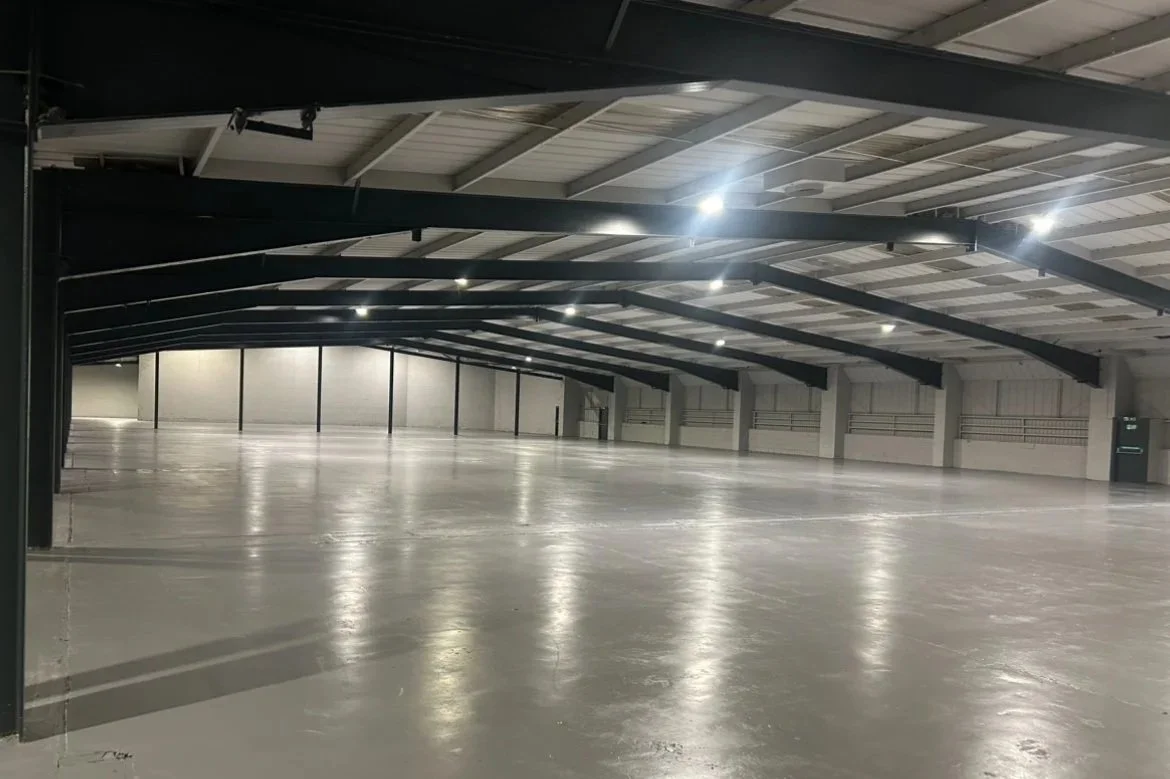
Industrial and Warehouse Buildings
Large spans require higher fire resistance
Often need REI 90 or REI 120
Commercial Offices
Structural steel must meet fire rating requirements
Escape routes must be protected
Retail and Mixed-Use Developments
Complex layouts require compartmentation
Fireproofing is critical to structural safety
Public Sector Buildings
Schools, hospitals and civic buildings face strict scrutiny
These are all sectors where Viper delivers fireproofing services.


Common Compliance Issues in Commercial Projects
Many projects fall short of Approved Document B due to:
Incorrect specification of fire ratings
Inadequate coating thickness
Poor installation quality
Lack of certification or documentation
These issues can lead to:
Failed building control inspections
Project delays
Increased costs
Legal liability
Documentation
One of the biggest changes in how Approved Document B is enforced is the emphasis on:
Proof of Compliance
This includes:
Fire protection specifications
Product certification
Dry film thickness records
Installation documentation
Refurbishment Projects
Approved Document B is not just for new builds.
It also applies when:
Buildings are refurbished
Use classes change
Structural alterations are made
This means many existing commercial buildings may need:
upgraded fireproofing
new intumescent coatings
reassessment of fire resistance
This is a major opportunity for proactive compliance.
How to Stay Compliant with Approved Document B
To meet building regulations fire safety requirements, commercial property owners should:
Review fire strategy early
Ensure structural fire resistance is specified correctly
Work with experienced fireproofing contractors
Maintain documentation for inspection and approval
Why Choose Viper Fireproofing
Viper Fireproofing works with contractors, developers and property owners to ensure full compliance with Approved Document B.
We provide:
Certified intumescent fire protection systems
Professional on site spraying
Industrial coatings and cladding spraying
Support with compliance and documentation
We operate across:
Manchester
Blackburn
Preston
Leeds
Bolton
Lancashire and the wider North West
Contact our team to discuss your project
FAQ: Approved Document B
What is Approved Document B?
It is the UK government guidance that outlines how buildings must meet fire safety requirements under Building Regulations.
Does Approved Document B apply to commercial buildings?
Yes, it applies to all non-domestic buildings including industrial, retail and office properties.
Do I need fireproofing to comply with Approved Document B?
In most cases, yes. Especially where structural steel must achieve fire resistance ratings.
Who is responsible for compliance?
The duty holder or responsible person, often the building owner or contractor.
Speak to our Fireproofing Specialists
If your project needs to meet Approved Document B requirements, Viper Fireproofing can help.
We provide expert advice, certified systems and professional application to ensure your building meets fire safety standards.